
A Spotlight on the People Behind a Growing AI Agency
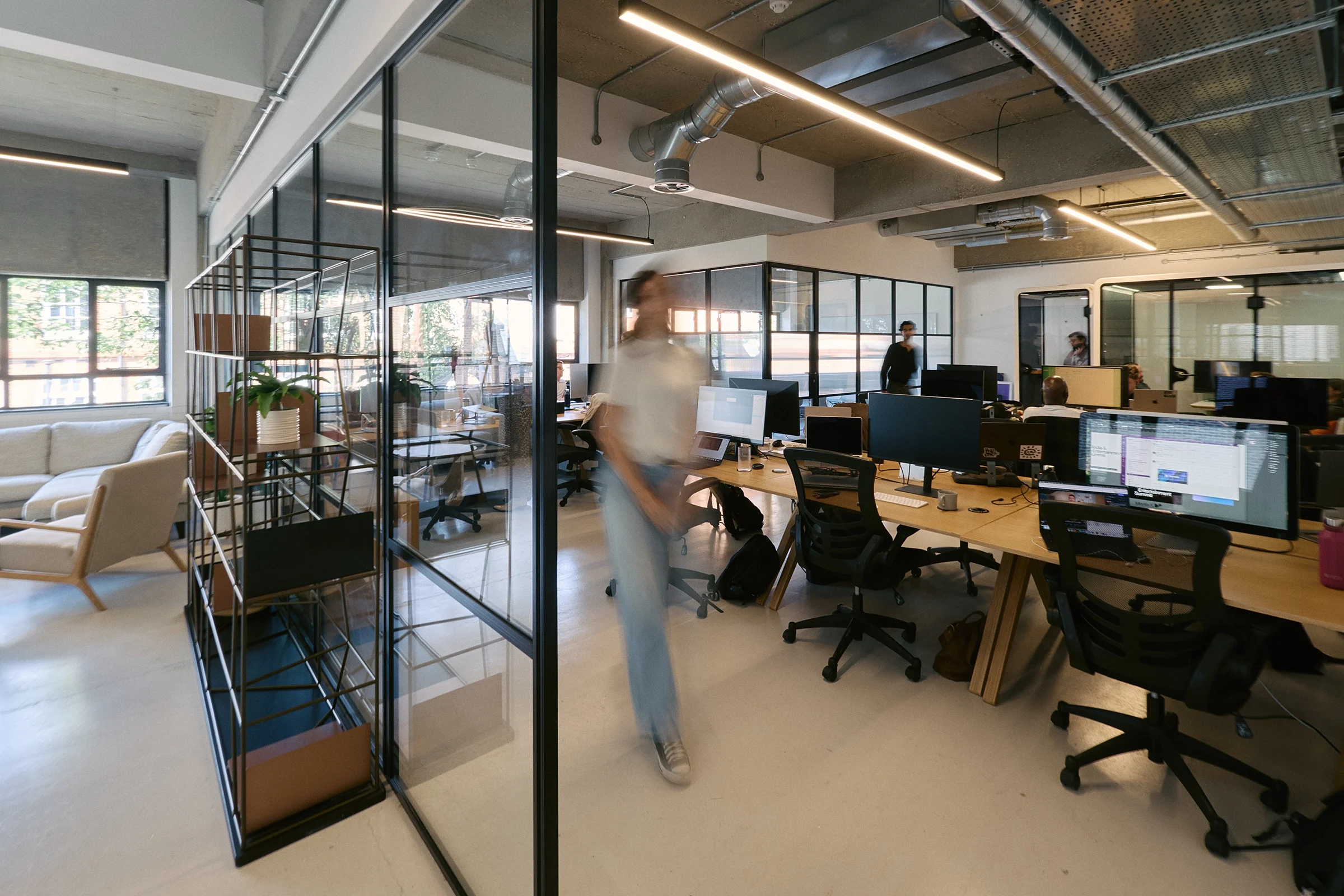
Energetic studio wide shot showing a dynamic, collaborative workspace.
AI can often feel like a void between us and it.
Yet whenever I spend time in the room where it is actually being used, I am reminded that the distance between the two is not as fixed as it first appears.
I recently worked with London AI agency &above to create a set of lifestyle photographs at their new studio in Southwark. Alongside a series of environmental portraits, the brief was to capture the team throughout a typical working day. The aim was simple: to create images that felt natural, grounded, and reflective of the people behind the business.
In an industry where outputs are often discussed in terms of systems, models and tools, the challenge was to bring the focus back to the human side of the work.
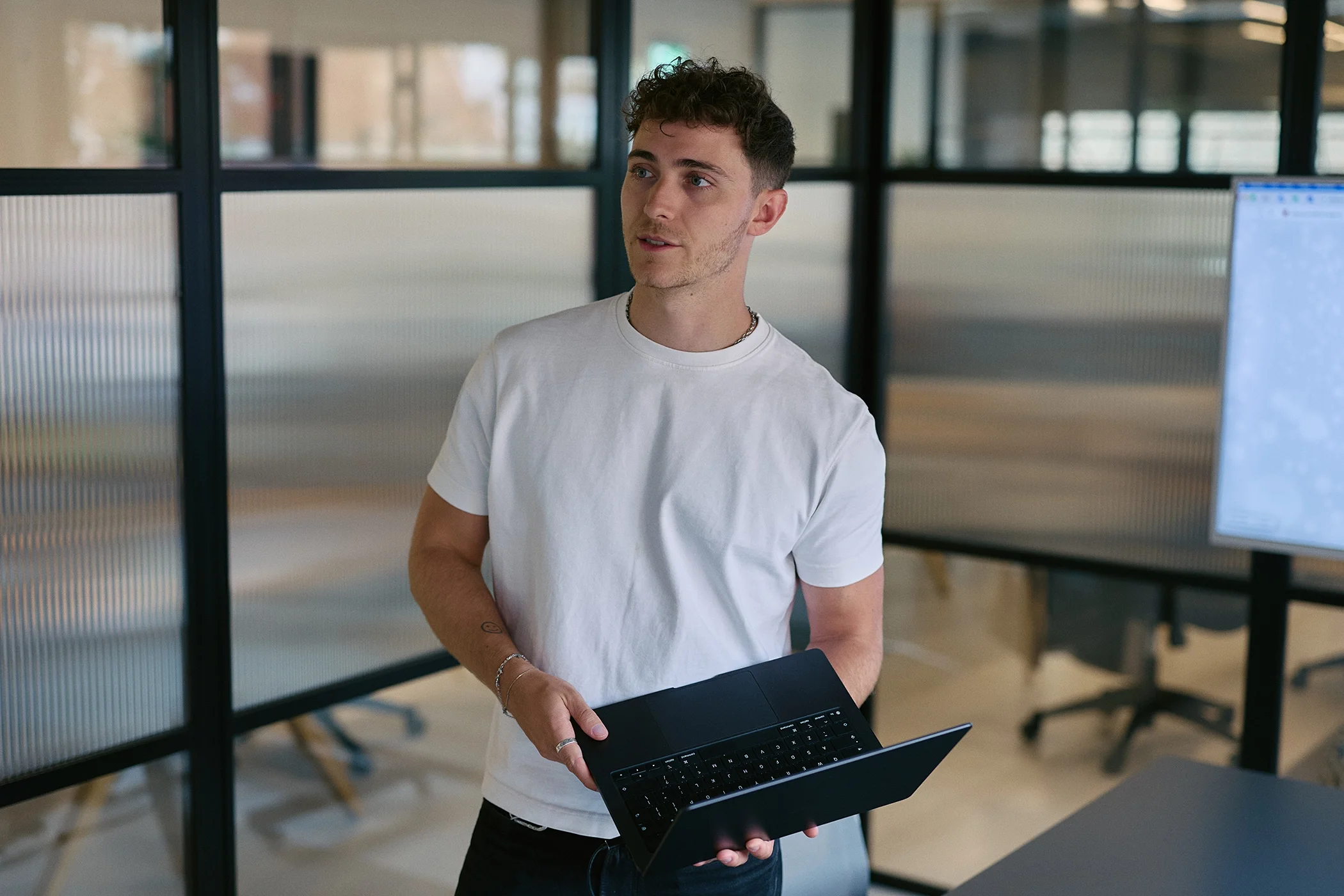
Lifestyle portrait of Chief Technology Officer Josh King.
The Objective
Professional headshots still play an important role in how companies present themselves. They introduce the team, create consistency across platforms, and help put a face to a name.
But they only go so far.
For &above, the aim was to build a broader visual library centred on environmental portraits that showed the team within their new studio space. Alongside individual portraits, a smaller number of frames captured moments of interaction, offering a sense of how people sit alongside one another in the rhythm of a working day.
As the company grows, I have found that this kind of imagery becomes increasingly useful across recruitment, marketing, and client communications.
The focus of the shoot was on real, grounded moments, presence within a space, subtle exchanges, and the quieter in-between parts of the day that often say the most about a company’s culture.
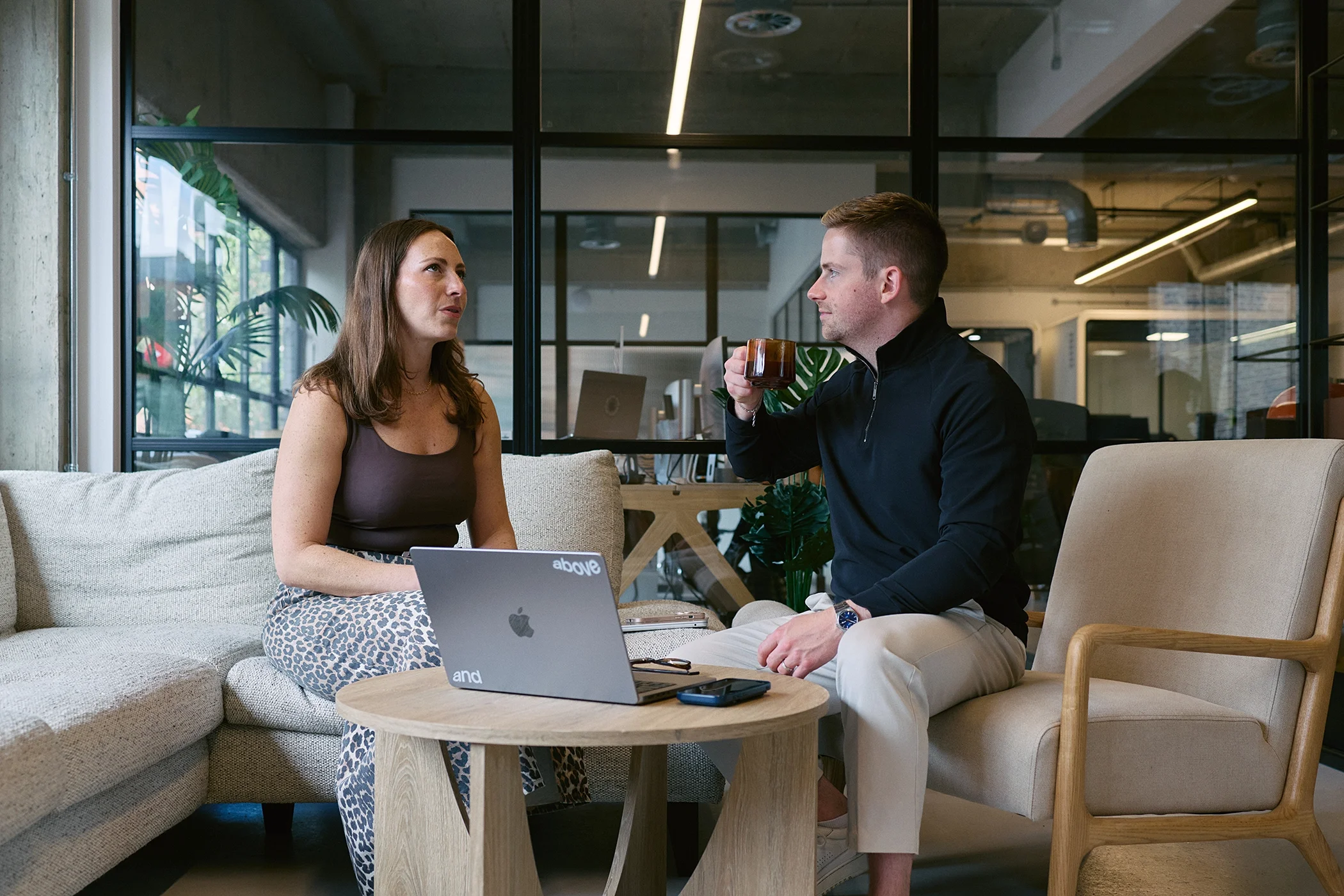
CEO Jordan Richards leading a strategic team meeting.
The Challenge
The most effective lifestyle photography rarely comes from leaving everything entirely to chance.
Most people become aware of the camera the moment it appears, and that awareness can quickly change how a moment feels. The challenge is finding the balance between creating strong, usable imagery and allowing space for natural interaction within a guided structure.
Rather than simply observing from the sidelines, I worked with a planned approach to the day that allowed key moments to unfold within a clear framework. This meant we could ensure we captured the right environments, conversations and interactions while still keeping the energy of how the team naturally works through meetings, discussions and informal exchanges around the studio.
That structure tends to produce more considered and reliable results. The photographs feel grounded in real activity, but with enough intention behind them to serve the needs of recruitment, marketing and client communications.
There is also a specific challenge when photographing an AI agency. The work itself is largely invisible. I cannot easily photograph artificial intelligence in a meaningful way.
Instead, the focus shifts to the people using it: the conversations, the decisions, and the collaboration that turn complex technology into practical outcomes for clients.
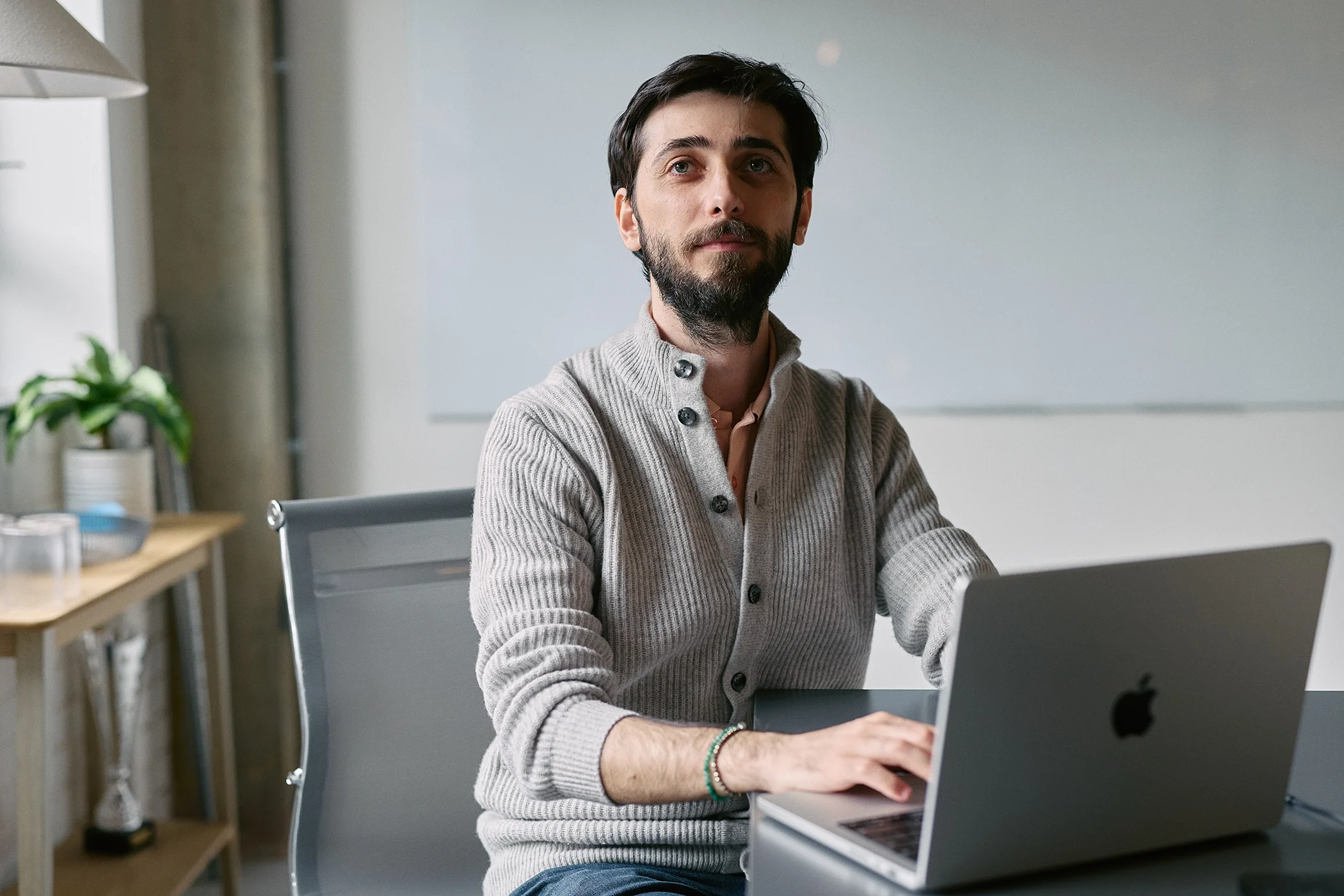
Developer portrait highlighting focus and technical expertise.
Trust in an AI Driven Industry
As AI becomes more embedded in how businesses operate, I have found that trust has become one of the most important factors in how agencies are judged.
Clients are not only investing in tools or systems. They are investing in the judgement, experience, and thinking of the people behind them. That creates a communication challenge for companies working in this space. While the service offering may be technical, the decision to work with an agency is often a very human one. Lifestyle photography helps bridge that gap.
By working within a considered and structured approach to the shoot, it becomes possible to show people in context rather than isolation. Environmental portraits place individuals within their working space, while selected moments of interaction add a sense of how the team operates day to day. Together, they provide a clearer view of the business itself, replacing abstraction with something more tangible.
For &above, this meant focusing on a human-led narrative, with subtle references to technology present throughout each frame. Laptops, screens, and interface elements appear within the environment as part of the working context, quietly acknowledging the tools underpinning the work. The aim is not to centre the technology, but to reflect how it sits within everyday decision-making.
The work ultimately celebrates AI through the people who manage and engineer it, focusing on presence, process, and the working culture behind the output.
In many ways, the work is not really about AI at all. It is about trust, expertise, and the people responsible for delivering results.
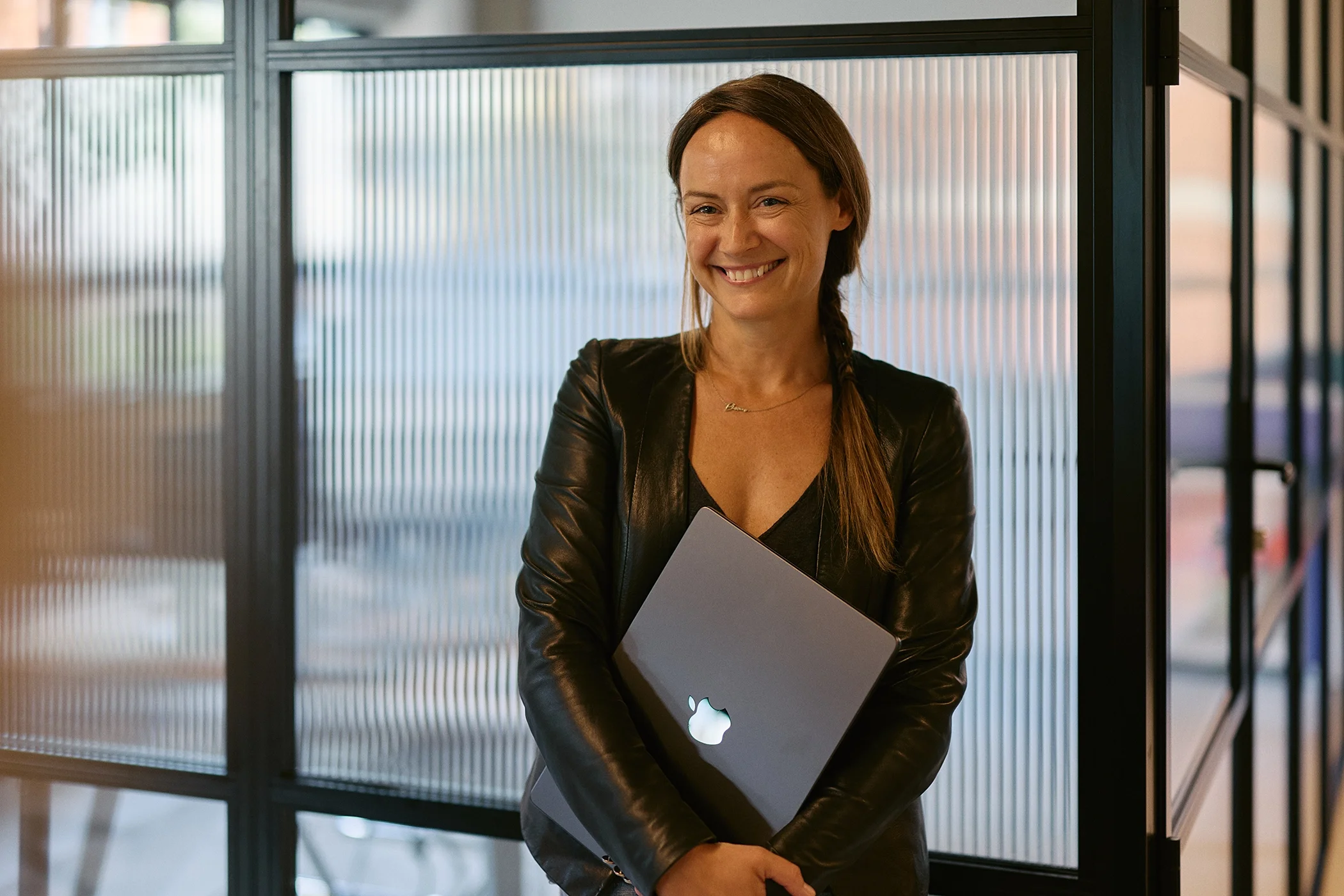
Creative Director portrait in a modern studio setting.
The Outcome
The final collection combines professional headshots with a broader set of environmental portraits that provide context around the agency and its culture. The portraits I created bring clarity and consistency across team profiles, while the wider images I shot place individuals within their working environment.
Together, they create a more complete picture of the agency.
For clients and prospective partners, the imagery offers a clearer sense of the people behind the work and the context in which decisions are made. For future employees, it provides insight into the culture and day-to-day environment I observed. For the agency itself, it creates a versatile library of assets across multiple channels.
Subtle references to technology appear throughout, with screens and devices integrated naturally within the frame. These elements sit within the environment rather than defining it, reflecting a human-led approach that still acknowledges the role of AI in shaping the work.
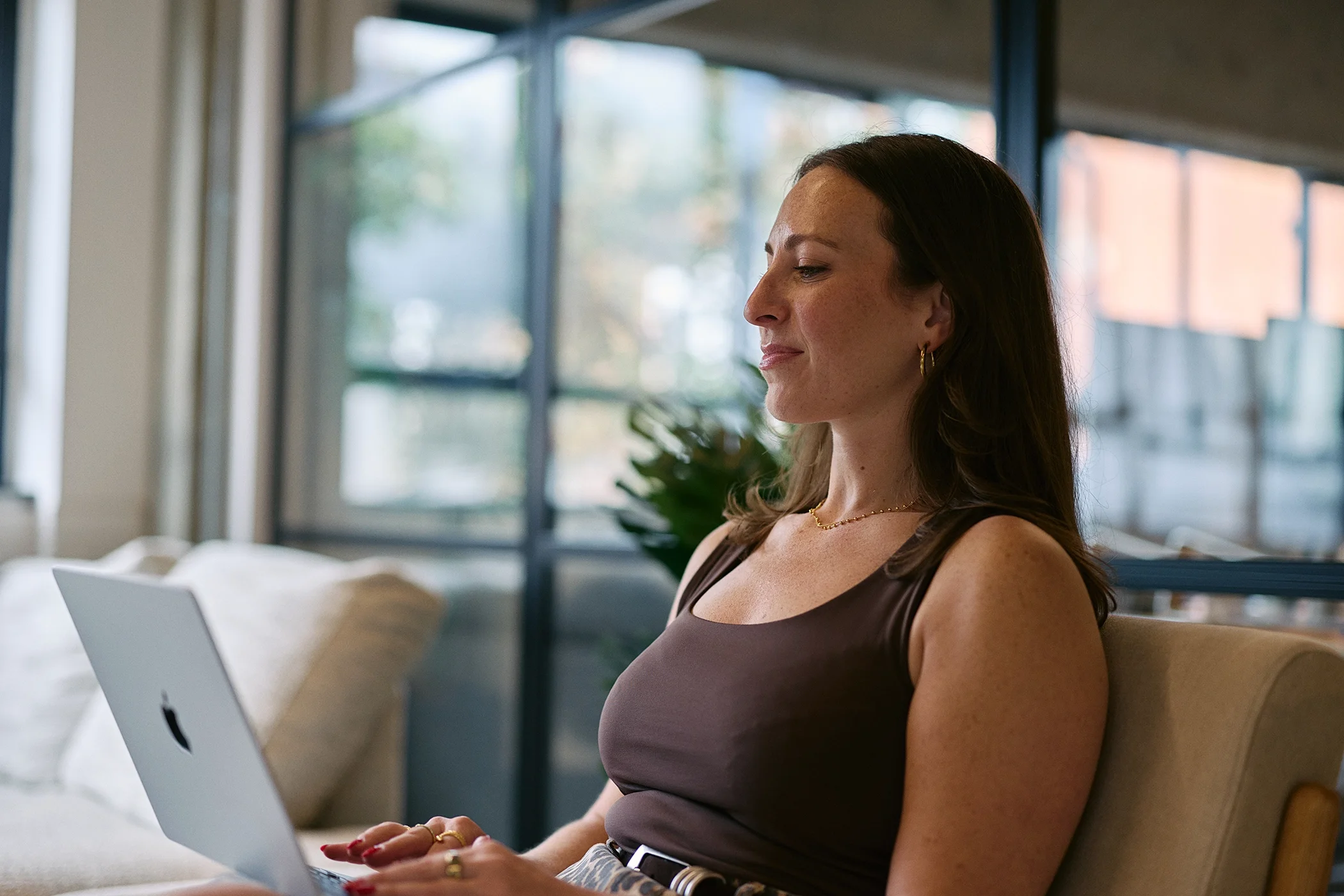
Lauren working in a modern office environment.
Applications
One of the strengths of this kind of photography is how widely the images can be used once delivered.
For &above, the photographs can support:
Website and About pages
Team profiles and biographies
LinkedIn and social media content
Recruitment campaigns
Press and PR activity
Pitch decks and presentations
Internal communications
Marketing materials
Rather than producing images for a single use case, the result is a flexible collection of assets that can support the business across multiple touchpoints.

Michael working as a software developer in a modern workspace.
Why This Matters
As companies grow, there is often a shift in how they need to present themselves visually.
Headshots remain essential. They establish identity, professionalism and familiarity. But they do not communicate culture on their own. Increasingly, audiences want to understand what it feels like to work with a business before they engage with it. That applies to clients, potential employees and partners alike.
Lifestyle photography helps provide that context by showing people in real working environments.
For &above, the aim of this shoot was to reflect that reality, a growing AI agency built on human expertise, collaboration and trust. The technology matters, but it is the people behind it that give it meaning.
AI can often feel like a void between us and it. But what does that distance look like through the lens, once you are in the room where it is being used?
This series was created in collaboration with &above at their Southwark studio as part of an ongoing visual approach centred on people, place and process.