
How to Shoot Tethered Headshots With Clients
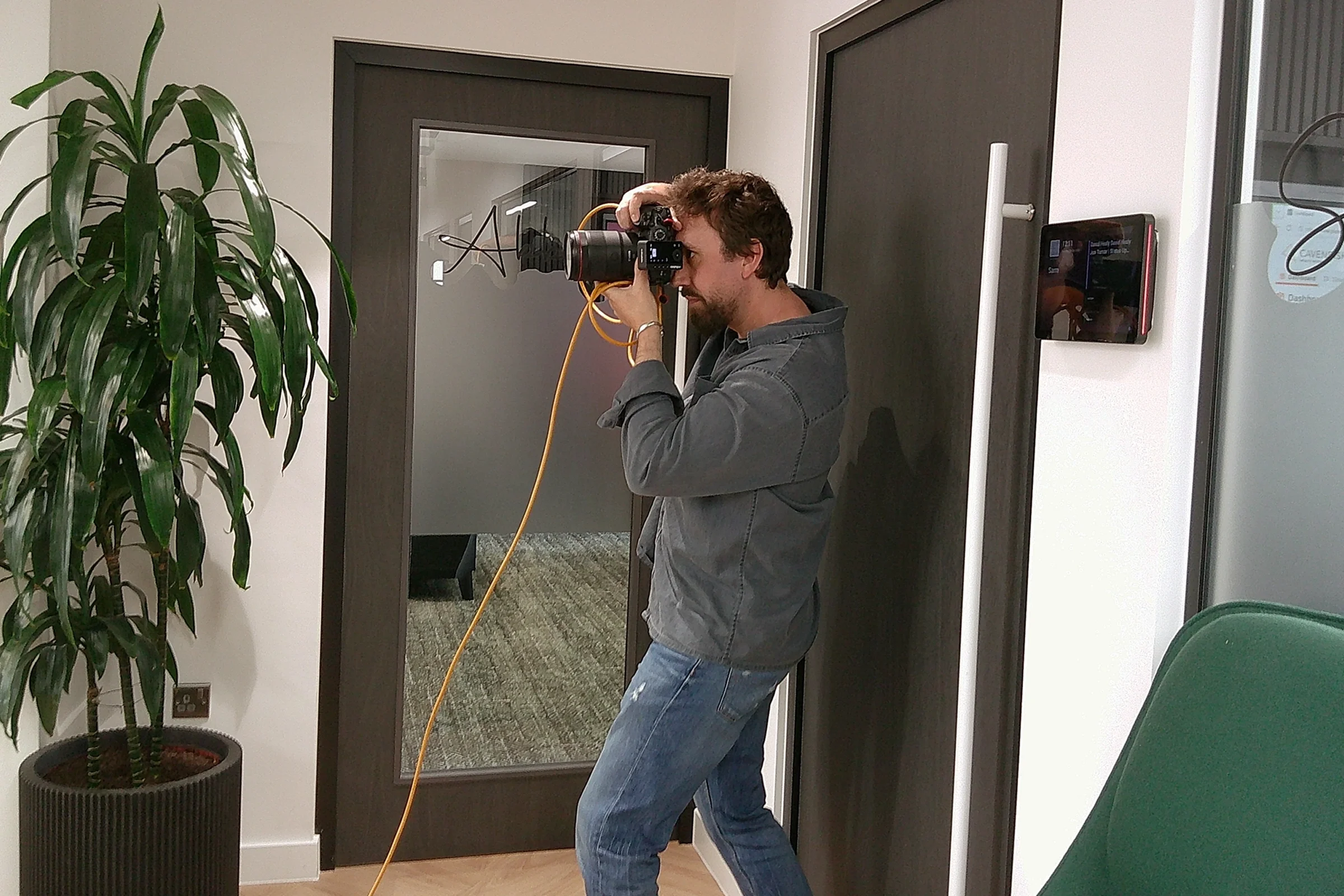
Capturing corporate portraits with tethered workflow
Introduction: Elevating Corporate Portraiture Through Tethered Workflow
One of the challenges with shooting corporate headshots untethered is that you’re making a lot of decisions on the fly without really seeing the final image properly. You’re checking the back of the camera, making small adjustments, and hoping it all comes together later.
Tomorrow I’m set up in central London shooting executive portraits where “good enough” isn’t really part of it, and that’s exactly why I’m choosing to tether.
I tether straight to my MacBook Pro, and it completely changes how I shoot. I can see everything properly as we go, composition, lighting, expression, and I can adjust it there and then instead of guessing.
I’ve also found it changes things for the person in front of the camera. When they can see the images coming through, it feels less like they’re just being photographed and more like we’re working on it together.
I don’t like leaving things to chance, and this takes that away. I know it’s right before I move on, and they do too.
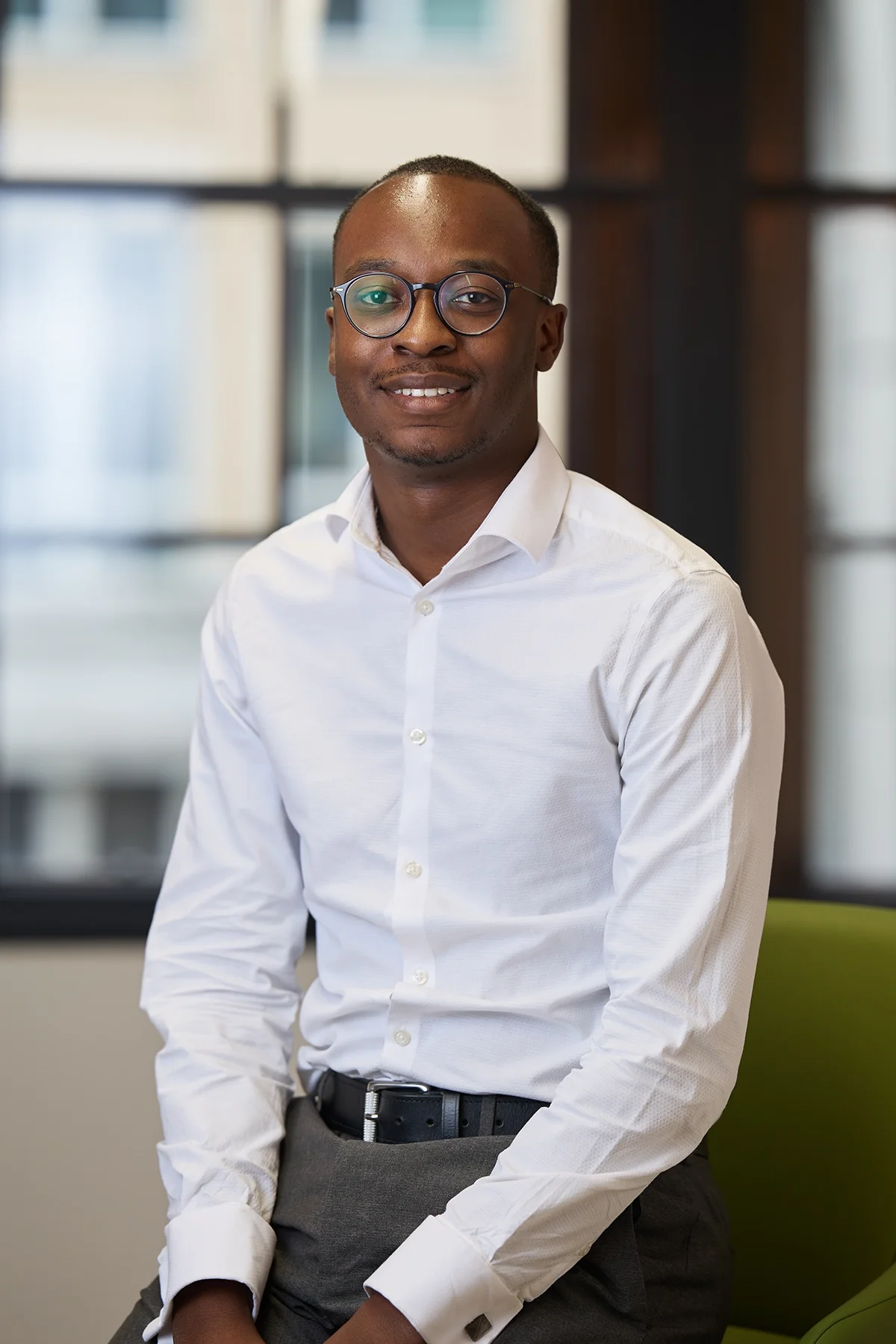
Corporate portraits for wealth management firm photographed in London office
Removing The Guesswork
Shooting tethered shifts the entire dynamic of a portrait session. Instead of relying on a small preview screen and instinct alone, every frame is transmitted directly to a larger display the moment it’s captured.
I tether straight into a MacBook Pro, and from that point on, there’s no ambiguity. Composition, lighting, expression—it’s all visible in detail, exactly as it will be delivered. There’s no interpretation required, no mental gap between what you think you’ve captured and what’s actually there.
That gap is where small inconsistencies creep in. A shadow that feels slightly too heavy. A posture that’s just off. An expression that doesn’t quite land. Individually, they’re minor. Together, they dilute the final image.
Tethering removes that layer entirely. What you see is what you get, and more importantly, what you adjust.
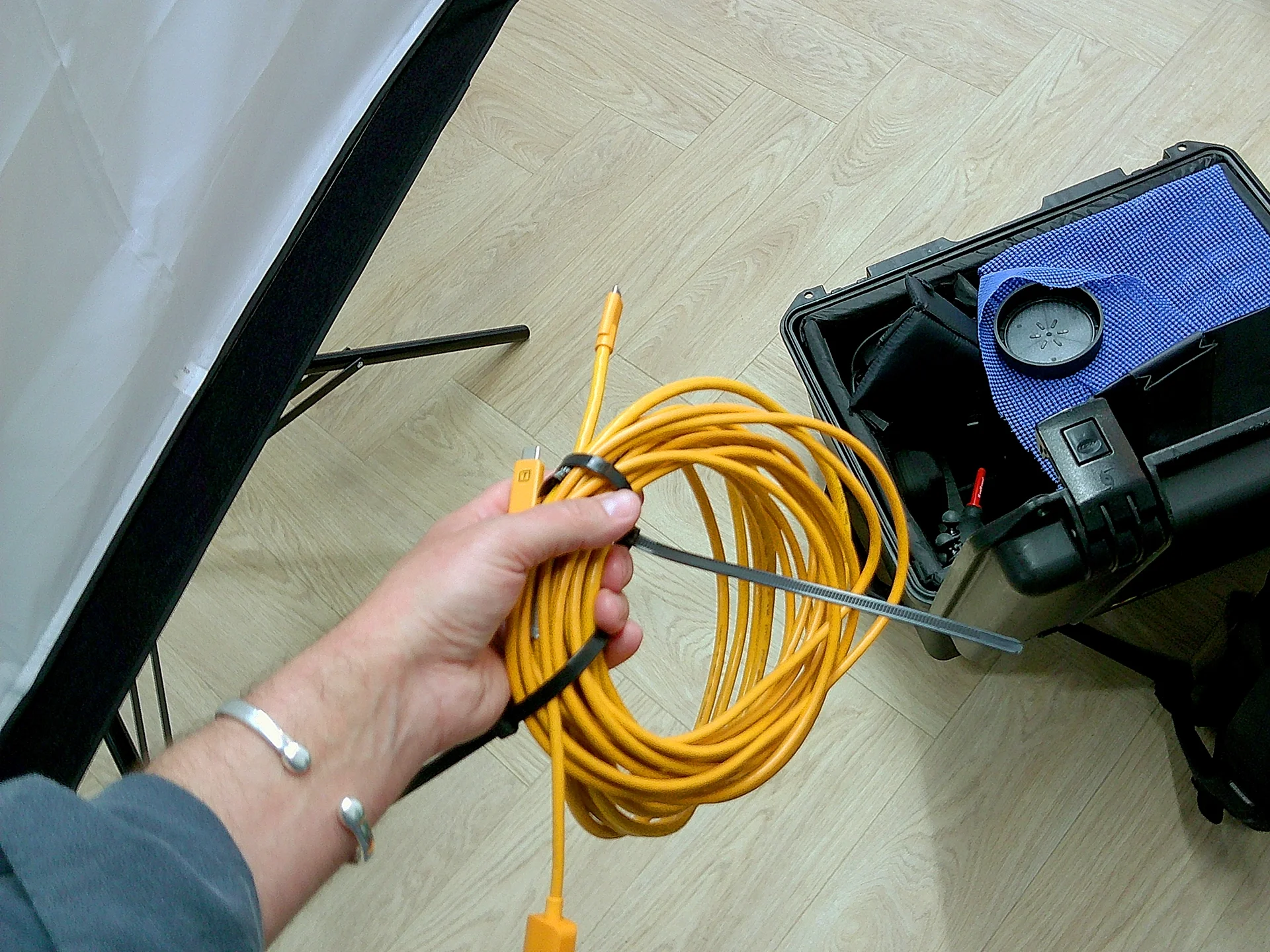
Digital tech managing tethered capture setup during corporate shoot
A More Deliberate Way Of Working
Without tethering, the pace of a shoot often becomes reactive. You shoot, review, adjust, repeat. It’s a cycle that relies on quick checks and micro-corrections, but it rarely allows for full clarity in the moment.
Tethering slows that down—but in a way that actually makes the process more efficient.
Each frame becomes part of a continuous refinement. You’re not jumping between capture and review; you’re doing both at the same time. Small changes happen with intent rather than assumption. A slight shift in lighting can be evaluated immediately. A minor adjustment in posture can be confirmed instantly.
There’s a level of precision that comes with seeing the image properly, and that precision compounds across the session. Instead of hoping you’ve got it right by the end, you know you’ve got it right as you go.
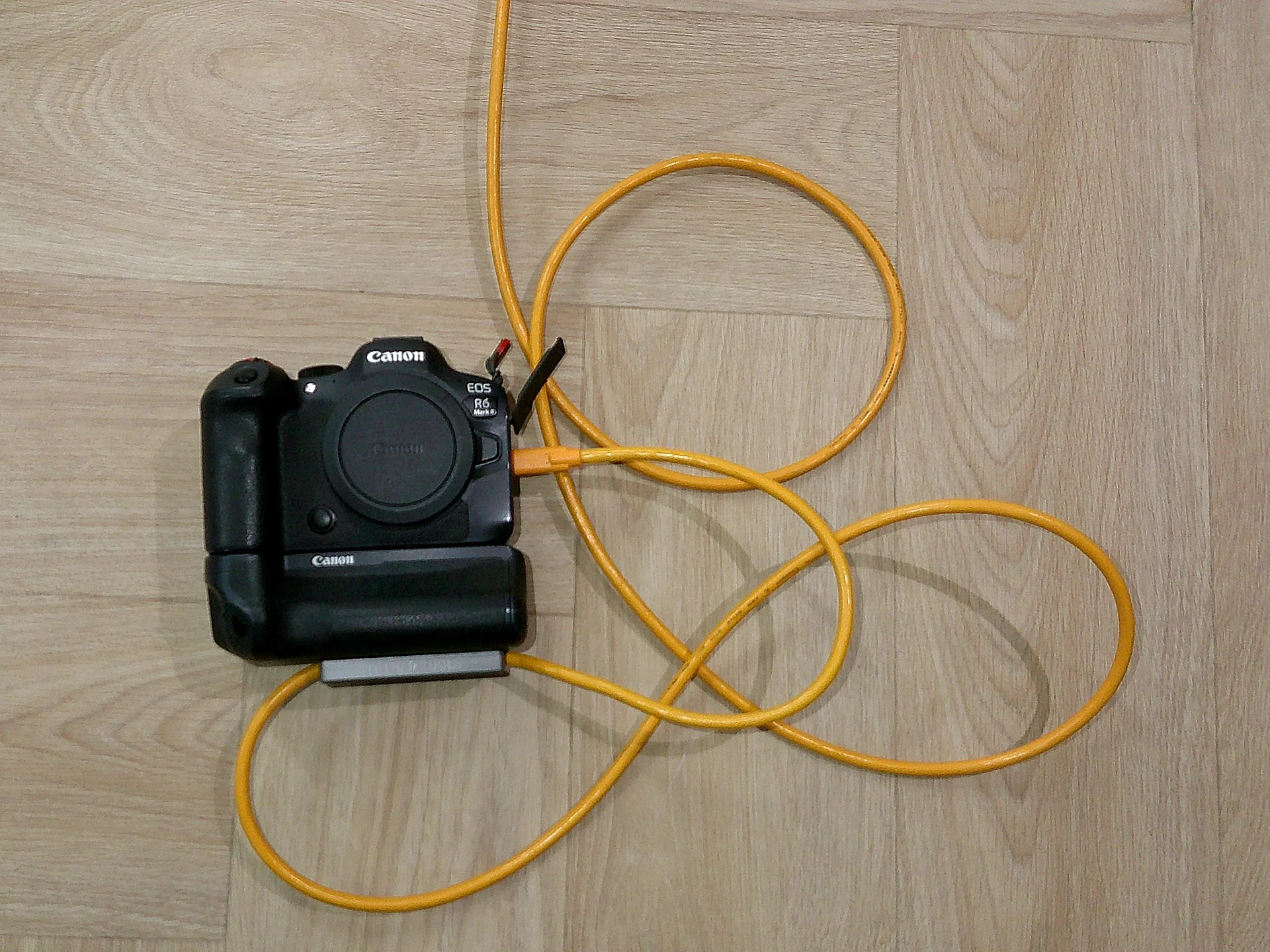
Behind-the-scenes tethered workflow during corporate photography shoot
Raising The Standard On Set
Corporate portraiture sits in a specific space. It’s not editorial in the traditional sense, and it’s not purely functional either. The expectation is that the image represents something beyond the individual—it reflects a role, a level of responsibility, and often an entire brand.
Because of that, the standard is higher than most people realise.
Tethering reinforces that standard from the outset. It makes the process more transparent, not just for the photographer, but for everyone involved. There’s no delay between capture and evaluation. No uncertainty about whether something works. The image is there, on screen, ready to be assessed.
That level of visibility changes how decisions are made. Adjustments become more exact. Choices become more deliberate. There’s less reliance on instinct alone and more emphasis on what’s actually in front of you.
It’s a subtle shift, but it has a significant impact on the final result.
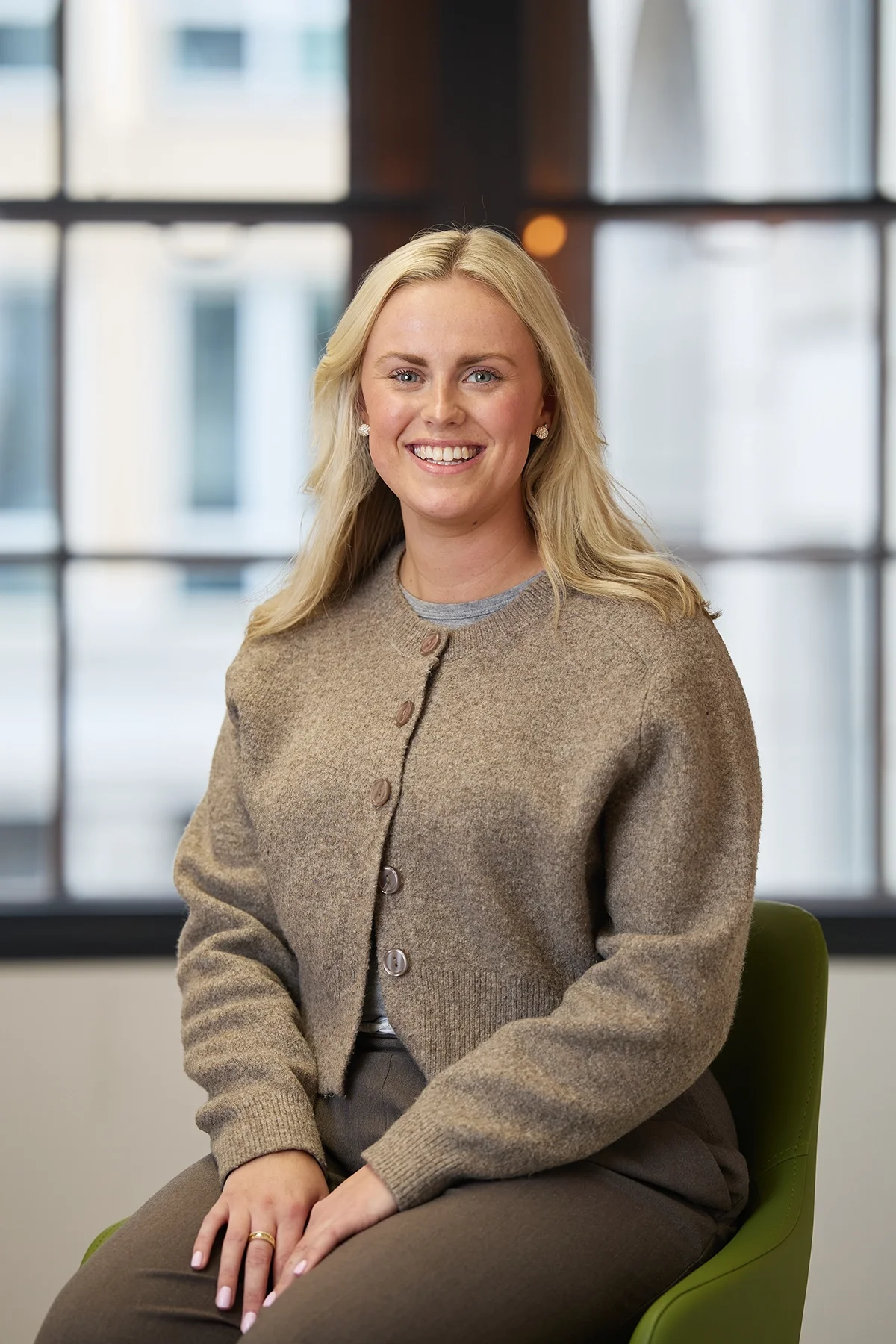
Executive headshots of wealth management team captured in London
Changing The Experience For The Subject
One of the more interesting effects of tethering isn’t technical—it’s psychological.
For most people, being in front of a camera, especially in a corporate context, comes with a level of uncertainty. They don’t know exactly how they look. They don’t know how small changes in posture or expression translate into the final image. There’s a degree of distance between what they feel and what’s being captured.
Tethering closes that distance.
When someone can see their image appear on screen seconds after it’s taken, something shifts. The process becomes clearer. The feedback loop becomes immediate. Instead of relying entirely on direction, they can see the result for themselves.
That tends to remove a lot of the hesitation. Posture becomes more intentional. Expression settles more quickly. There’s less overthinking, because there’s less uncertainty.
It also reframes the session slightly. It no longer feels like something that’s being done to them. It becomes something they’re part of. A collaborative process rather than a one-sided one.
That change alone can elevate the quality of what you capture.
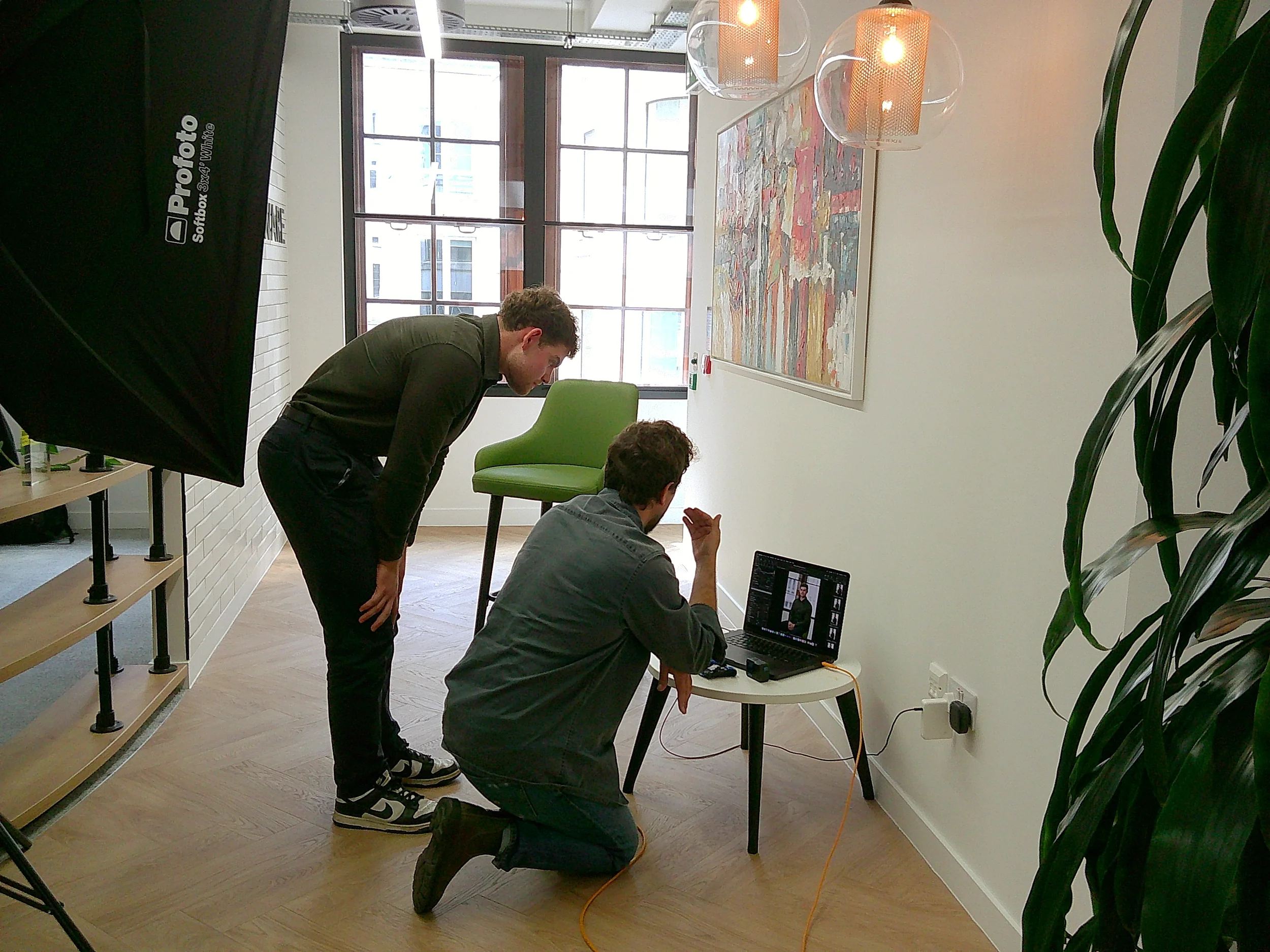
Behind-the-scenes collaboration between photographer and client during corporate portrait session in London
Real-Time Collaboration
Tethering naturally introduces a more collaborative way of working, but without slowing things down.
In a corporate environment, there are often multiple stakeholders involved—whether that’s internal teams, marketing leads, or the subject themselves. Traditionally, much of the feedback comes after the shoot, during selection or delivery.
By that point, the opportunity to refine the image has passed.
With a tethered setup, that feedback can happen in real time. Adjustments can be made on the spot, while everything is still in place. Lighting can be refined. Framing can be corrected. Expressions can be guided more precisely.
It’s not about overcomplicating the process or inviting unnecessary input. It’s about allowing the right decisions to happen at the right time—when they can still make a difference.
That’s where tethering proves its value.
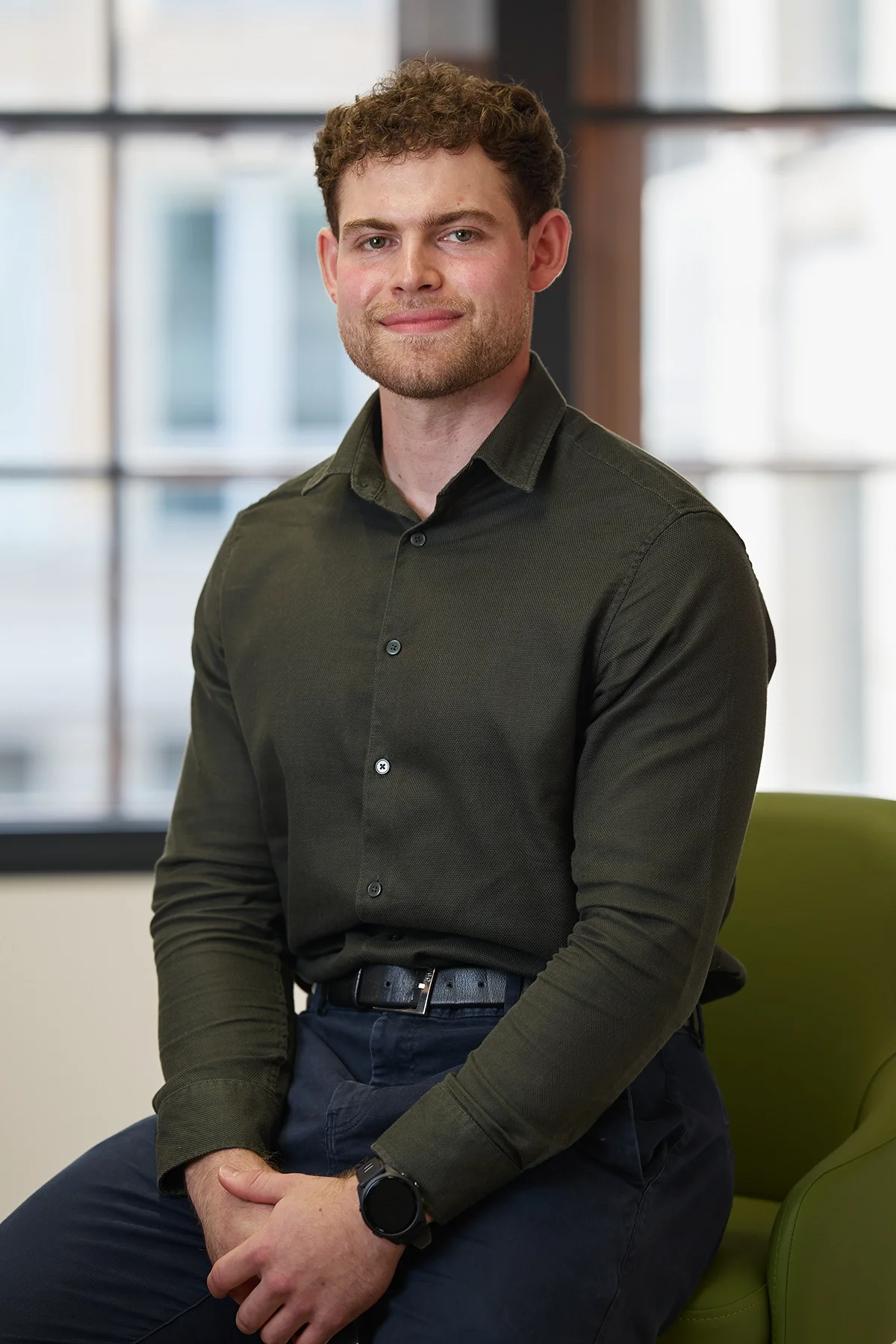
Executive corporate headshot taken in natural light during London portrait session
Consistency Across The Set
Another advantage that often gets overlooked is consistency.
When you’re shooting multiple people in a corporate setting, maintaining a consistent look across all portraits is critical. Small variations in lighting, framing, or exposure can become very obvious when images are viewed together.
Tethering makes it much easier to control that.
With every image displayed on a larger screen, you can match elements precisely from one subject to the next. You’re not relying on memory or quick checks—you’re working from a clear visual reference.
That consistency builds a stronger overall set. The images feel connected, intentional, and aligned with the brief.
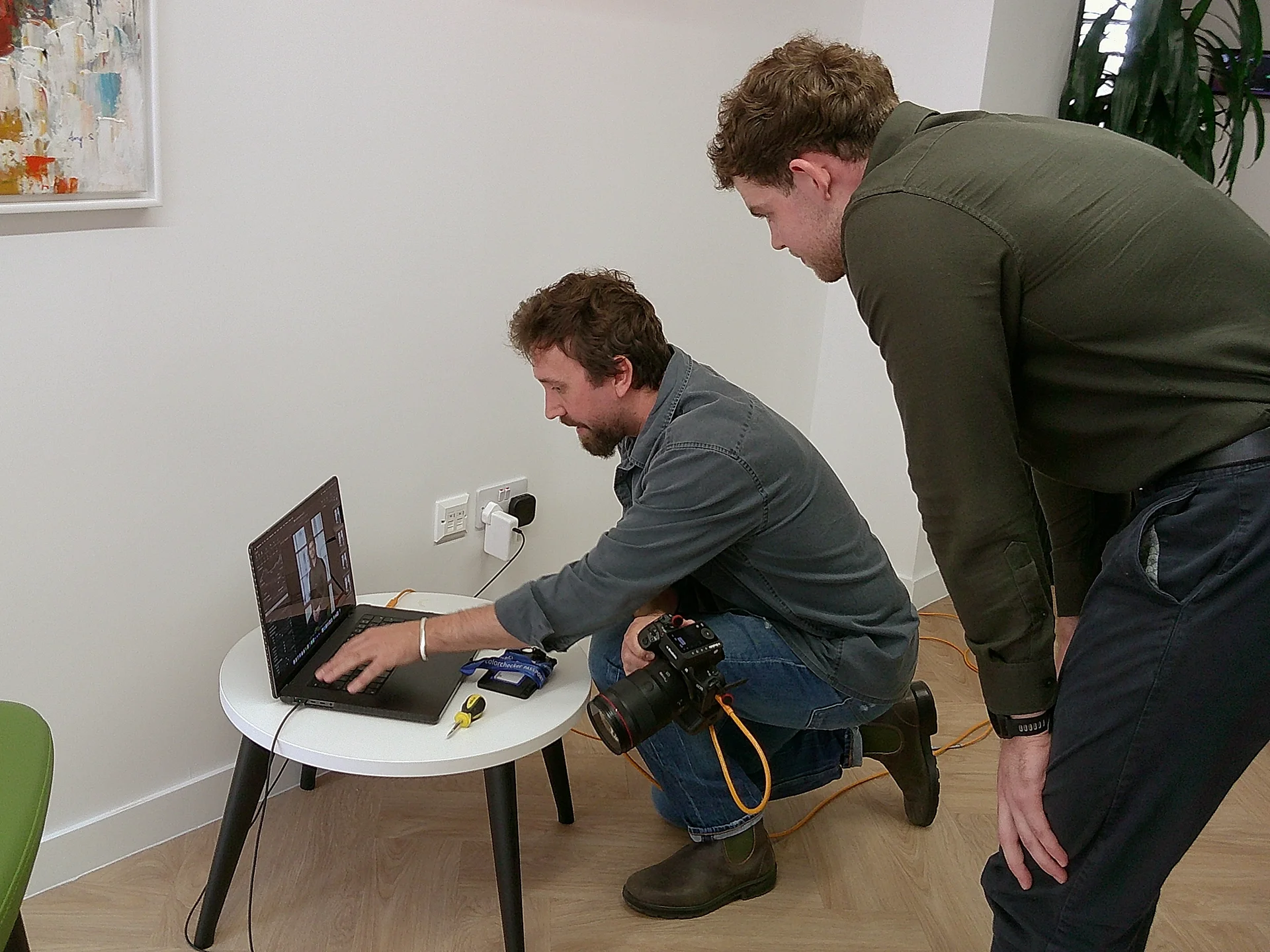
Photographer and client collaborating over laptop during tethered corporate shoot on set
A More Confident Delivery
Ultimately, the benefit of tethering comes down to confidence.
Without it, there’s always a degree of uncertainty until the images are reviewed properly after the shoot. You might feel confident, but you haven’t seen everything at full scale. There’s always the possibility that something small was missed.
Tethering removes that uncertainty.
By the time the session wraps, the images have already been reviewed, refined, and effectively approved in real time. There are no surprises later. No “we’ll see how it looks on a bigger screen.” It’s already been seen, assessed, and adjusted.
That changes the entire workflow—not just during the shoot, but afterwards as well.
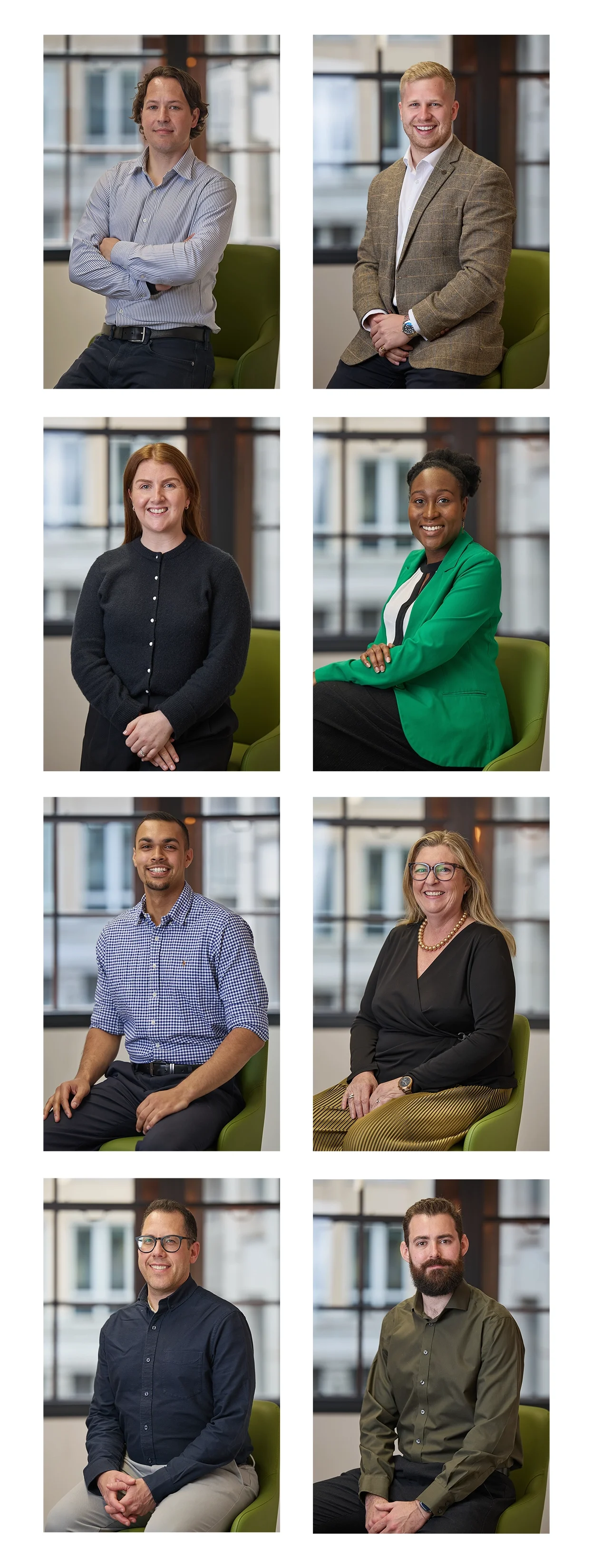
Corporate portraits photographed in London
Not Leaving It to Chance
At its core, tethering is about control.
Not in a restrictive sense, but in a way that ensures every element of the image is considered and intentional. It removes the reliance on assumption and replaces it with clarity.
For some shoots, that level of control isn’t necessary. But for corporate portraiture—particularly at a senior level—it becomes difficult to justify working without it.
I don’t like leaving things to chance. Tethering takes that away.
I know the image is right before I move on.
And more importantly, so does the person in front of the camera.